
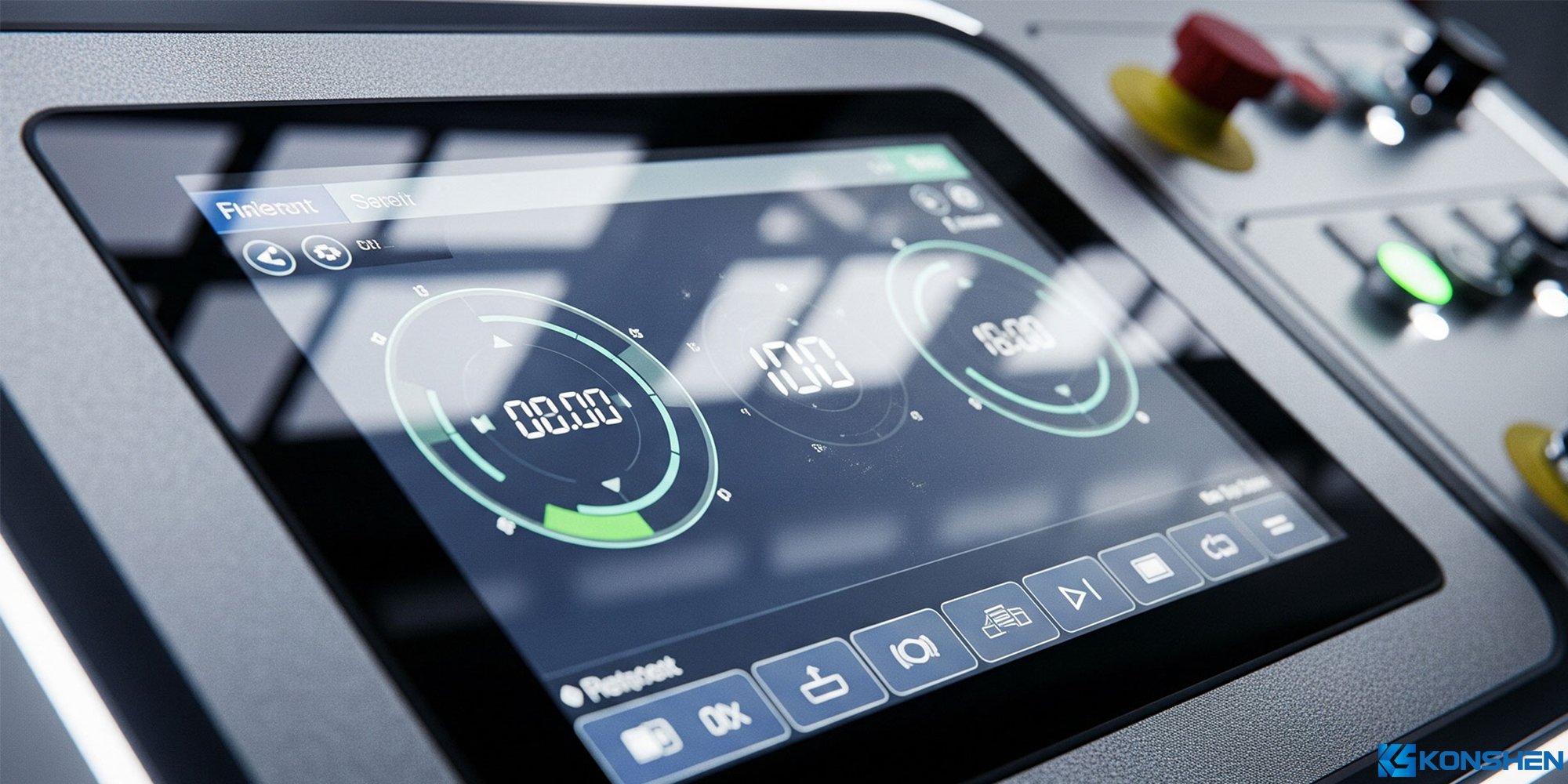
 When we check our phone screens under direct sunlight, struggle to appreciate precious cultural relics in museums due to reflections, or face glare from in-vehicle central control screens that hinders driving safety—behind these daily scenarios, functional coatings on the surface of cover glass are quietly playing a crucial role. As three core surface treatment technologies, AG (Anti-Glare), AR (Anti-Reflection), and AF (Anti-Fingerprint) address the pain points of traditional glass in visual experience, durability, and other aspects by modifying the glass's optical properties and surface states. From consumer electronics to architectural and home applications, from precision instruments to the new energy sector, these "invisible films" are reshaping the way we interact with glass and have become an indispensable part of modern technological products.
AG (Anti-Glare) coating operates on the core principle of constructing a micro-rough structure on the glass surface through physical or chemical methods. This transforms the original specular reflection into soft diffuse reflection, thereby reducing the glare caused by direct intense light. The process is analogous to converting a smooth mirror into a fine frosted surface—incident light scatters in multiple directions on the uneven surface, preserving light transmission capacity while avoiding glare from concentrated reflection.
Its core characteristics can be summarized as "vision-friendly + practical and durable": it improves viewing angle and image clarity under strong light, reduces eye fatigue, and possesses basic scratch-resistant and anti-fouling capabilities.
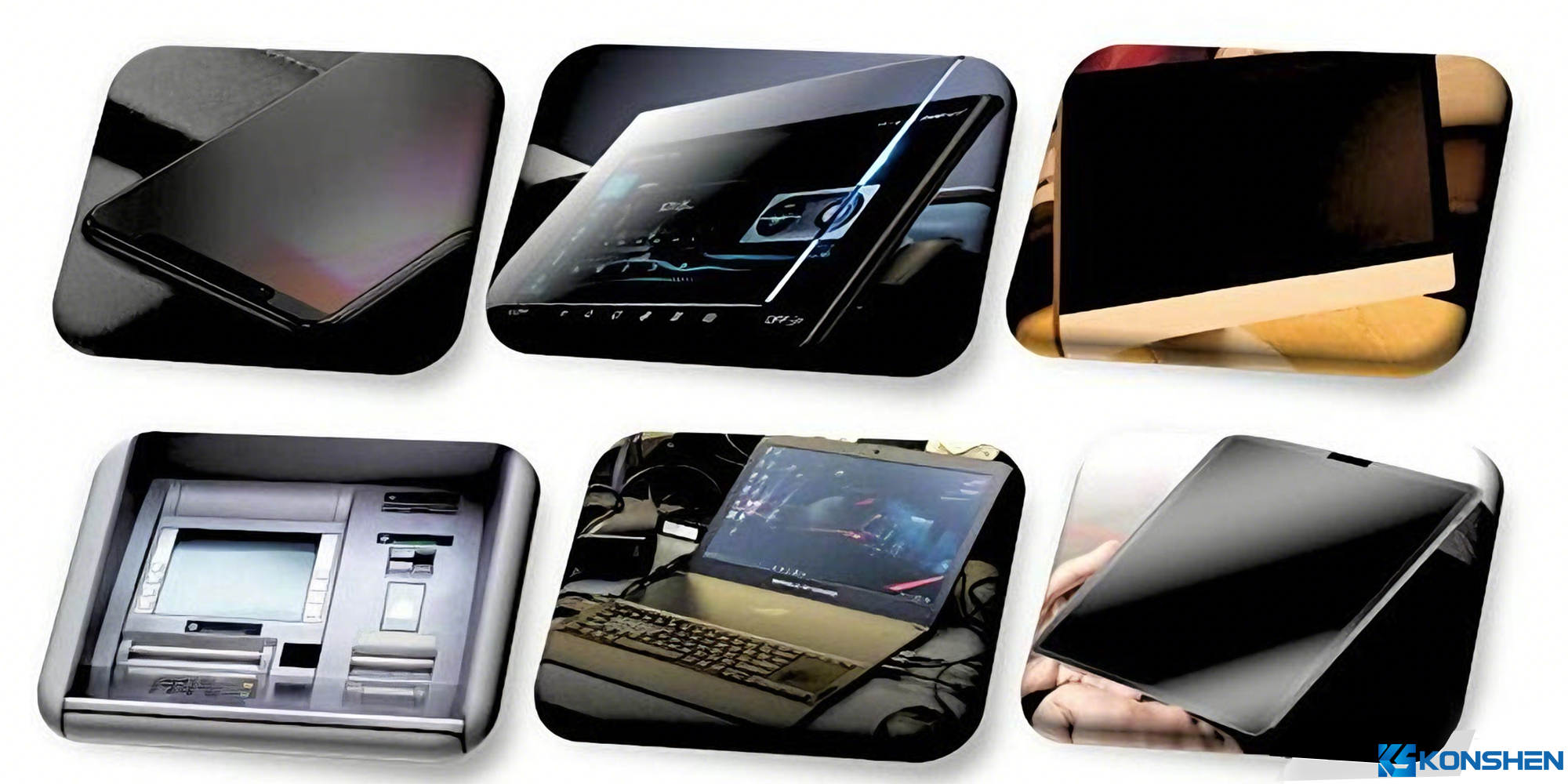 Electronic Display Field: Screen covers of mobile phones, tablets, and laptops maintain clear images under outdoor strong light and reduce visual interference from fingerprint residues after AG treatment. For close-range devices such as smart watches and e-readers, AG coating enhances comfort during prolonged viewing.
Automotive Scenarios: After applying AG coating to windshields, rearview mirrors, and central control screens, glare from direct sunlight or oncoming vehicle lights is reduced, improving road condition recognition and ensuring driving safety.
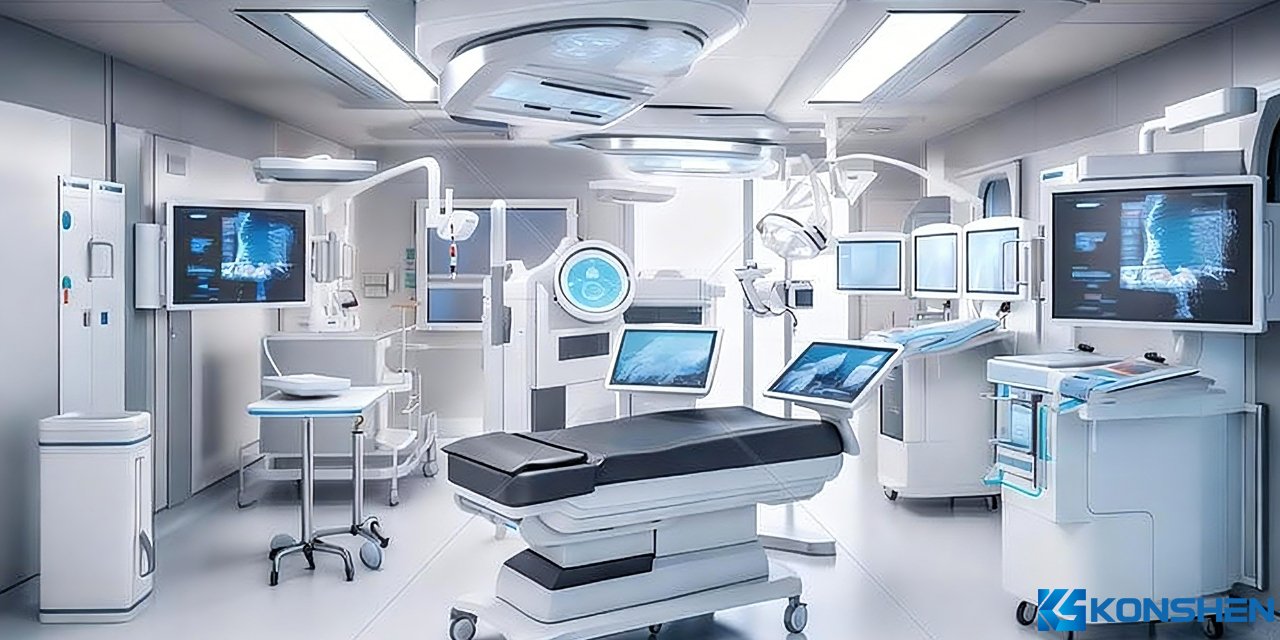
Professional Fields: Display windows of medical equipment and screens of precision instruments undergo AG treatment to ensure accurate data reading under complex lighting conditions. Glass frames for exhibits in museums and art galleries adopt AG coating to achieve both anti-glare effects and protection of cultural relics from damage by strong light.
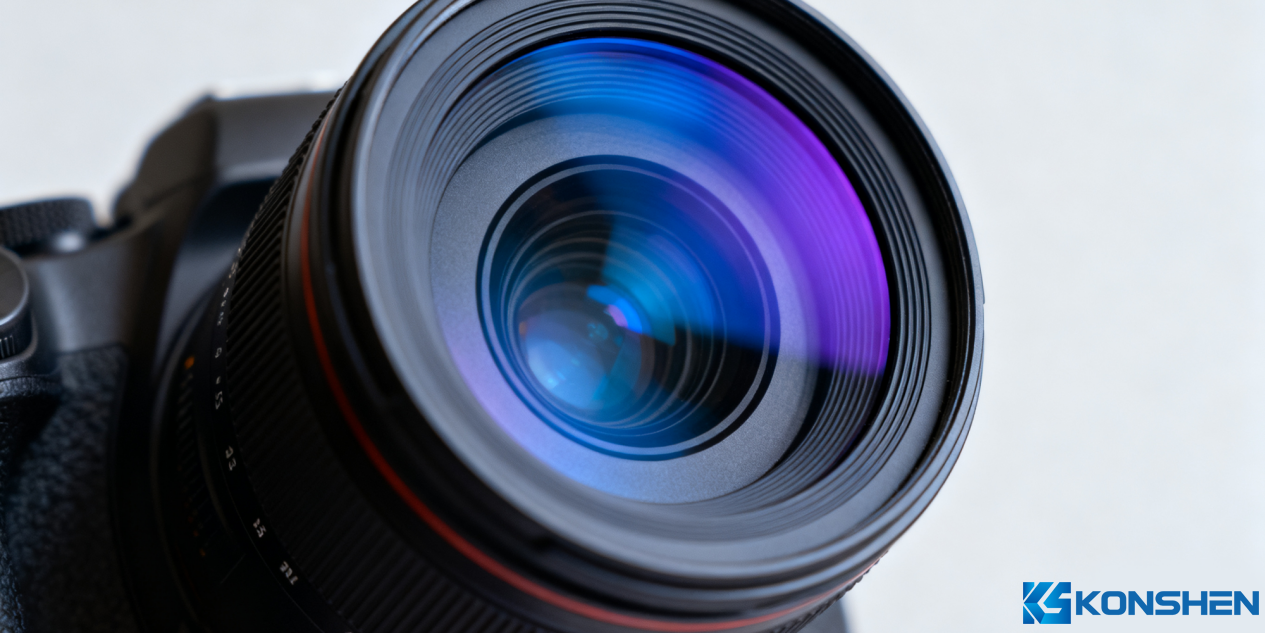
AR (Anti-Reflection) coating is centered on the principle of light interference. By depositing multiple layers of thin films with alternating high and low refractive indices on the glass surface, a specific optical path difference is formed between the reflected light from the glass surface and the reflected light from the film layers. This results in the mutual cancellation of reflected light, thereby reducing reflection loss and improving light transmittance. The technology endows glass with an "invisible" effect, allowing maximum light penetration and restoring true colors and brightness.
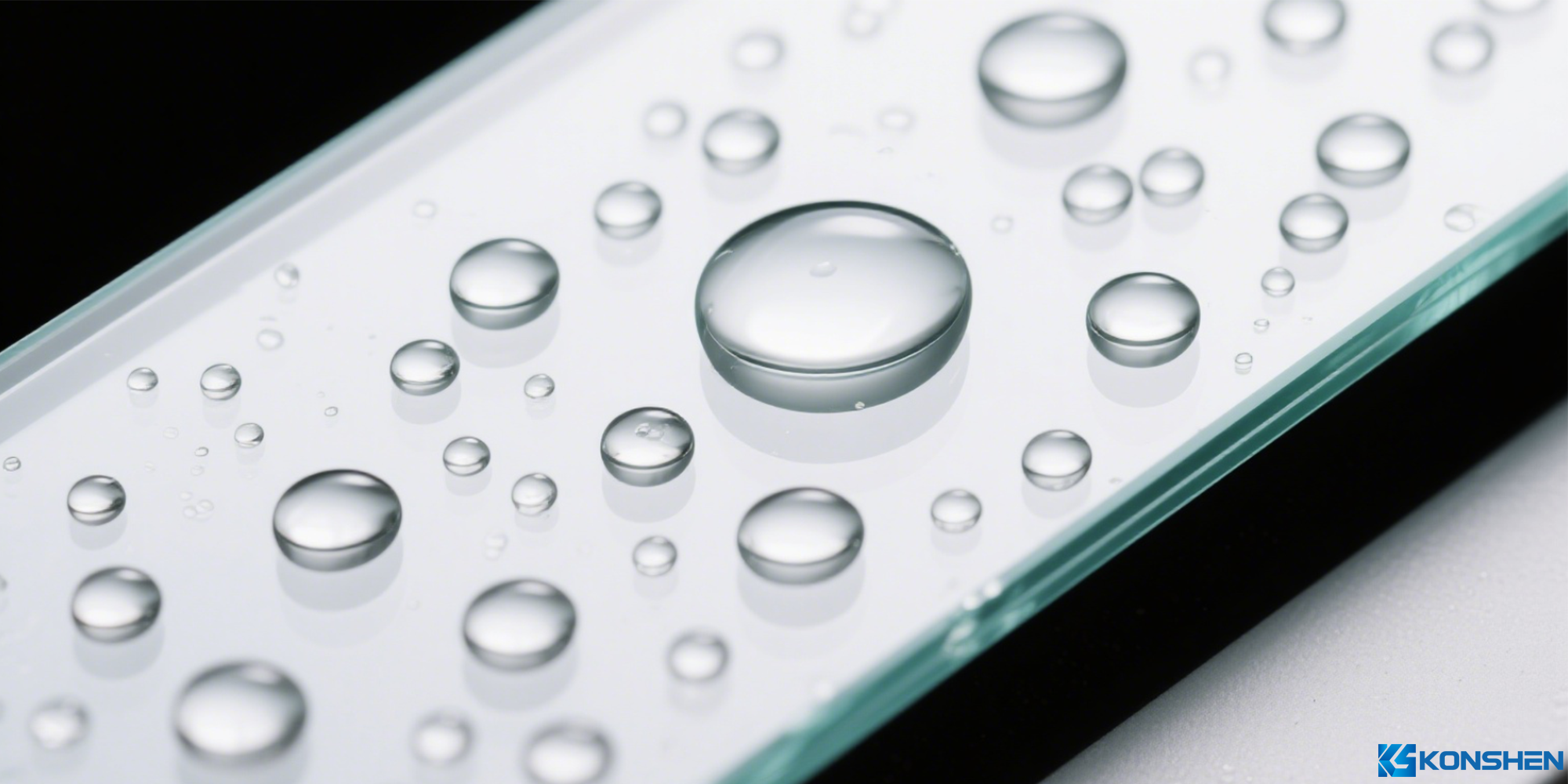
Inspired by the hydrophobic properties of lotus leaves, AF (Anti-Fingerprint) coating primarily involves applying a nano-scale fluoropolymer (e.g., perfluoropolyether) to the glass surface. This coating reduces the glass surface tension to an extremely low level, decreasing the contact area between dust, oil stains, and the glass by over 90%. It achieves hydrophobic and oleophobic effects, prevents fingerprint adhesion, and allows easy wiping of residual stains.
The standard preparation process of AF coating includes four steps:
Pretreatment: Weak alkaline cleaning agents or ultrasonic waves are used to remove oil and moisture from the glass surface, ensuring film adhesion.
Coating: AF liquid is uniformly applied to the surface through vacuum evaporation coating or magnetron sputtering.
Curing: A stable film is formed after baking at 120°C for 30 minutes.
Cleaning: Residual impurities on the surface are removed to ensure optical performance and anti-fouling effects.
Electroplating AF is another process method of AF coating, click here to learn more.
Its core characteristics are manifested as:
Super Anti-Fouling Property: Fingerprints and oil stains are difficult to adhere; the number of wipes required for cleaning is reduced by 70%, and stain residue is decreased by 80%.
Excellent Wear Resistance: The film hardness can reach 2-3H (Referring to Pencil hardness testing standard), high-end products can reach 4-5H.
Optical Compatibility: The ultra-thin film does not affect the original light transmittance and texture of the glass.
Consumer Electronics Field: It is a core application for cover glass of touch devices such as smartphones, tablets, and televisions, enabling easy wiping of fingerprint stains from frequent touches and maintaining screen cleanliness.
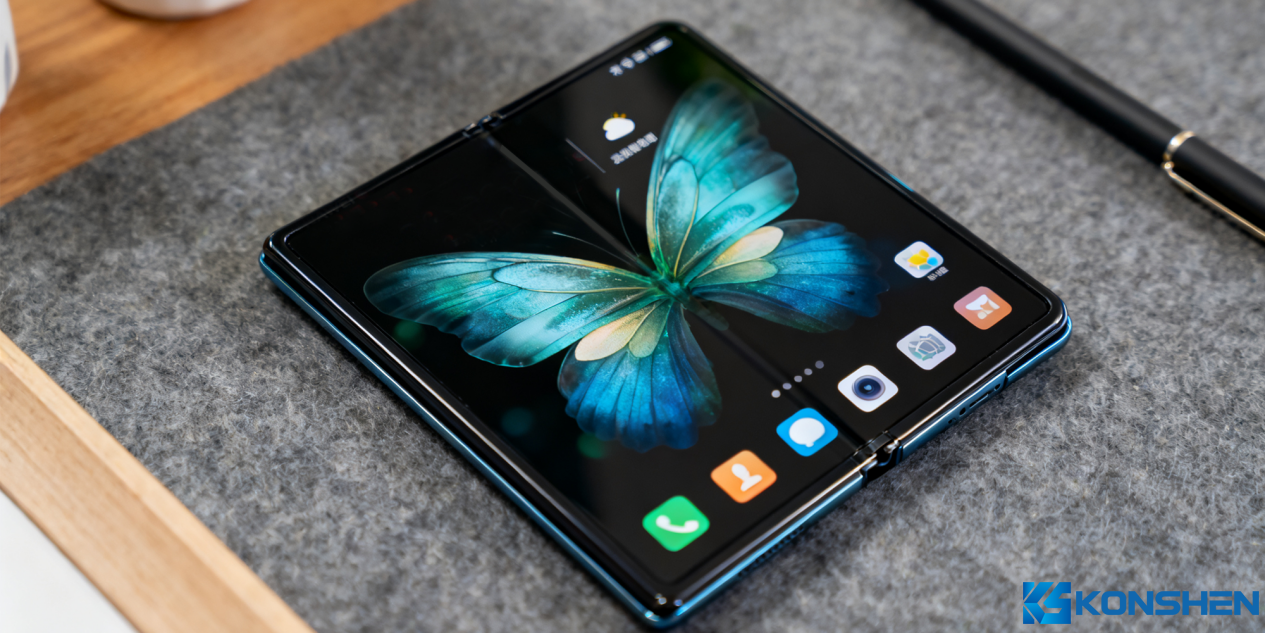
Extension to Flexible Scenarios: Through AF coating optimization, the flexible cover glass of foldable phones solves the problem of film adhesion attenuation caused by repeated folding, maintaining a low peeling rate after 100,000 folds.
Home and Medical Applications: AF coating on kitchen range hood panels and bathroom mirrors provides oil resistance and anti-fogging properties for easy cleaning. Operation panels of medical equipment undergo AF treatment to reduce the impact of fingerprint residues on the sterile environment.
A single coating can no longer meet the multifunctional requirements of high-end products. Composite coatings integrate anti-glare, high light transmittance, anti-fingerprint, and other properties through technical combination, becoming a high-end configuration in fields such as consumer electronics and intelligent automotive.
For example, the "AG+AF" composite scheme is commonly used for cover glass of high-end smartphones, the "AR+AG+AF" triple protection is mostly adopted for in-vehicle central control screens, and "AR+AF" is applied to architectural glass to achieve dual effects of high light transmittance and easy cleaning.
 Process Sequence: AG chemical etching → neutralization cleaning → plasma activation → AF spraying → curing.
Core Technical Points: The AG surface is slightly etched with 0.1% hydrofluoric acid for 10 seconds to form a micro-nano composite structure and improve AF adhesion; 0.3% silane coupling agent (KH-550) is added to the AF liquid to enhance the binding force between fluorine-containing materials and the inorganic surface; low-temperature curing at 130°C for 40 minutes avoids thermal deformation of the AG structure.
 Process Sequence: AR multi-layer coating → nitrogen ion source repair → AF vacuum evaporation coating → low-temperature curing.
Core Technical Points: The top layer of AR adopts SiO₂ material (refractive index 1.46) with a thickness controlled at approximately 100nm to provide a flat substrate for AF; AF evaporation parameters include a vacuum degree of 2×10⁻³Pa, an evaporation temperature of 150-250°C, and a deposition rate of 0.1-0.3nm/s; compatibility verification is required to ensure that the AF coating does not affect the AR light transmittance (≥95%) and the reflectance is ≤0.5%.
 Process Sequence: AG chemical etching → neutralization cleaning → AR transition layer deposition → AR multi-layer coating → nitrogen ion source repair → AF vacuum evaporation coating → synergistic curing.
Core Technical Points: After AG etching, the surface roughness Ra is controlled at 0.15-0.4μm, and plasma activation is performed to improve AR layer adhesion; the top layer of AR adopts SiO₂ material (refractive index 1.46) with a thickness of 100-120nm; the AF evaporation vacuum degree is 1×10⁻³~2×10⁻³Pa, the deposition rate is 0.05-0.2nm/s, and 0.3%-0.5% silane coupling agent is added to the liquid; synergistic verification indicators include an overall light transmittance of ≥90%, a reflectance of ≤0.3%, and a water contact angle of ≥110% for AF after wear resistance testing.
AG/AR/AF coating technologies are continuously evolving: AG coating is moving towards a balance of "high light transmittance + low haze" to meet high-definition display requirements; AR coating is evolving from a single anti-reflective function to an optical system core component, breaking existing performance limits via material, process and function innovations.; AF coating focuses on flexible scenarios such as foldable screens, emphasizing the improvement of film flexibility and wear-resistant lifespan.
In the future, coating technologies will present three core trends: first, multifunctional integration—integrating new functions such as antibacterial properties and infrared blocking in addition to the "3A" characteristics; second, green environmental protection—developing low-energy consumption coating processes and degradable coating materials to reduce environmental impact; third, scenario customization—creating specialized coating solutions for emerging scenarios such as new energy vehicles, metaverse devices, and smart wearables to achieve precise performance matching.
Ready to take your glass project to the next level? Contact us today to discuss your custom glass needs and get a quote!
contact us