
Contents:
1. Basic Characteristics and Preparation Technology of Ultra-Thin Glass
1.1 Material Composition and Thickness Classification
1.2 Core Performance Indicators
1.3 Preparation Technology and Breakthroughs
2. Core Applications of Ultra-Thin Glass in Solar Panels
2.1 Application as Cover Glass
2.2 Application as Substrate
3.Technical Challenges and Solutions for Ultra-Thin Glass Industrialization
4. Future Development Outlook and Conclusion
As the global photovoltaic industry shifts to flexibility and lightweight design, ultra-thin glass becomes a critical supporting material. Traditional 3-4 mm solar glass is heavy and inflexible, raising costs and limiting its application, while plastic substrates age easily under solar radiation and fail to meet the 25-year service life for photovoltaic products.Ultra-thin glass (defined as glass with a thickness of 0.1-1.1 mm) has become the core material to solve the above contradictions, relying on its excellent light transmittance, mechanical strength and thermal stability. It is mainly made of aluminosilicate or borosilicate, and can achieve a balance between lightweight and high performance through precise preparation processes, adapting to the dual needs of solar panel cover glass and substrates.

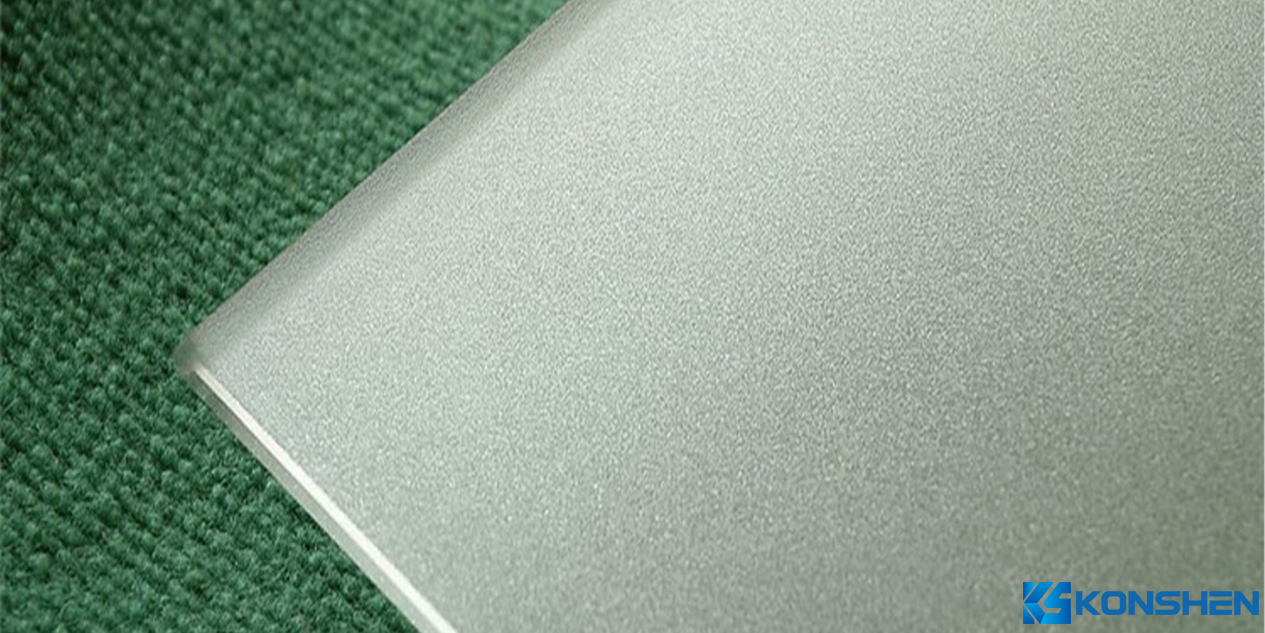 The material selection of ultra-thin glass for photovoltaic applications is centered on adapting to photovoltaic application requirements, mainly divided into two categories: aluminosilicate and borosilicate. Aluminosilicate ultra-thin glass has high bending strength and good chemical stability, making it suitable for manufacturing flexible photovoltaic substrates; borosilicate ultra-thin glass has a low thermal expansion coefficient and can maintain stability at a high temperature of 400℃, adapting to the high-temperature manufacturing process of solar cells. To reduce solar energy absorption loss, its iron content is strictly controlled below 0.012%, which is much lower than that of traditional soda-lime glass (0.02%-0.03%).
According to thickness, ultra-thin glass can be divided into three categories: standard ultra-thin glass (0.5-1.1 mm), mainly used as cover glass for rigid solar panels; high-flexibility ultra-thin glass (0.1-0.5 mm), suitable for flexible photovoltaic substrates; ultra-flexible ultra-thin glass (≤0.1 mm), which can realize roll-to-roll production and is used for core components of flexible photovoltaic products.
The performance of ultra-thin glass directly determines its application value in solar panels, and the core indicators focus on three aspects: light transmittance, mechanical strength and thermal stability. In terms of light transmittance, the visible light transmittance of 0.3 mm thick aluminosilicate ultra-thin glass reaches 92.8%; after anti-reflective coating treatment, the light transmittance of 0.8 mm thick products can be increased to 94.5%, which is 6.5 percentage points higher than that of traditional glass, significantly improving the light energy utilization rate of solar panels.
In terms of mechanical strength, the chemically strengthened 0.4 mm thick borosilicate ultra-thin glass has a bending strength of up to 650 MPa, which is 3-5 times that of traditional solar glass. It can withstand 1600 bending cycles without breaking, solving the pain point of easy damage of ultra-thin materials. In terms of thermal stability, it can maintain structural stability at 400℃, avoiding glass deformation and breakage caused by thermal stress during the solar cell manufacturing process, and adapting to the high-temperature production processes of various solar cells.
The preparation of ultra-thin glass has extremely high requirements on process accuracy, and the core technologies include overflow down-draw method, float method and slot-draw method. The overflow down-draw method is used to prepare ultra-thin glass with a thickness of less than 0.5 mm. The product has uniform thickness and defect-free surface, which is the core preparation process for flexible photovoltaic substrates. Corning's Willow glass is produced by this method; the float method is used to prepare ultra-thin glass with a thickness of 0.5-1.1 mm, which has mature processes and low cost, suitable for large-scale production of cover glass. At present, the yield rate is about 85%, and it is expected to reach 90% by 2027 after process optimization.
In 2025, the breakthrough of atomic lift-off technology provided a new path for the preparation of ultra-thin glass. This technology can realize high-precision exfoliation of ultra-thin films without a sacrificial layer, reducing preparation complexity and cost. It can mass-produce 10-nanometer-thick glass-based films, further expanding the application space of ultra-thin glass in the photovoltaic field.
Ultra-thin glass mainly plays two roles in solar panels: cover glass and substrate. Its performance advantages directly determine the lightweight level, service life and energy utilization efficiency of solar panels, and its core application value focuses on the protective, supporting and light-transmitting functions of the glass itself.
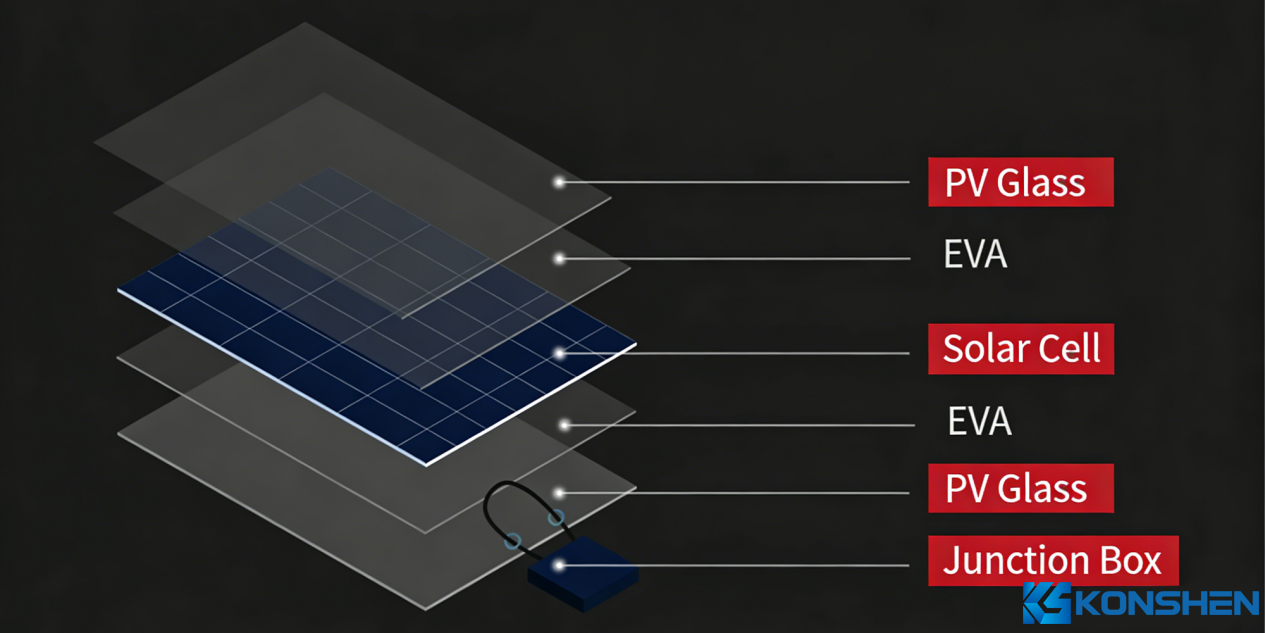
2.1 Application as Cover Glass
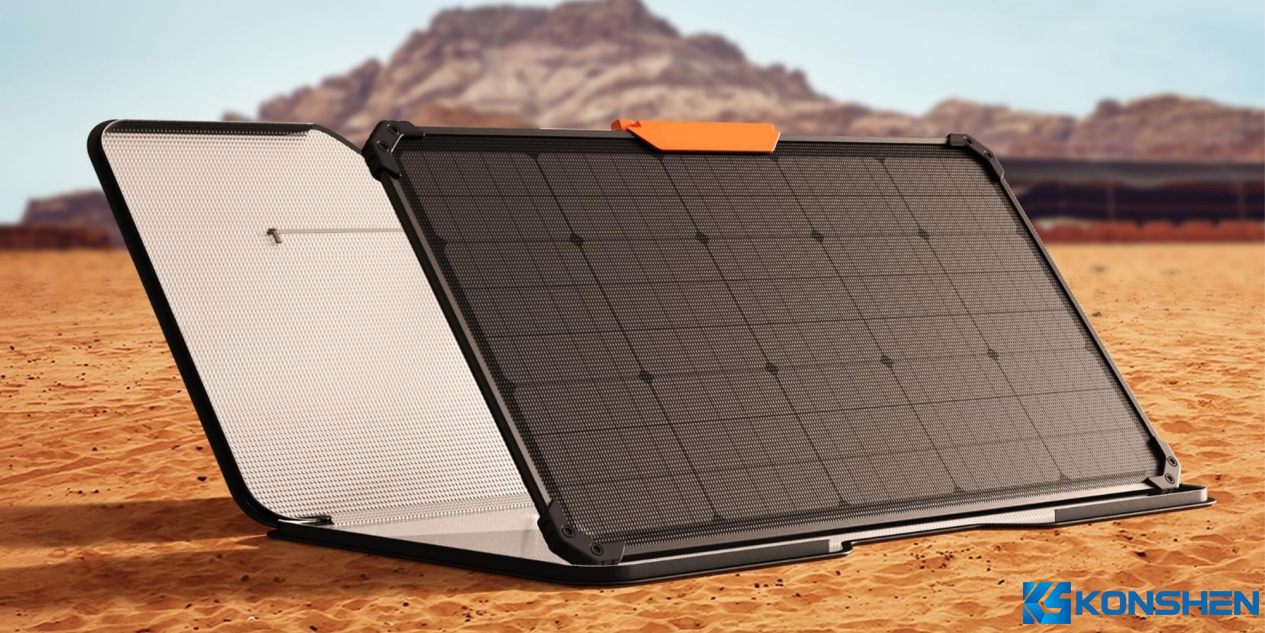 The core requirements of cover glass are protection and light transmission. Ultra-thin glass effectively makes up for the shortcomings of traditional glass by virtue of its lightweight and high light transmittance advantages. The 0.8 mm thick ultra-thin glass cover can reduce the weight of solar panels by 60%, and can be installed on low-load flat roofs without additional support structures, greatly expanding the photovoltaic application scenarios. At the same time, its excellent weather resistance can ensure long-term use stability. After 1000 hours of exposure to harsh environments, the light transmittance can still maintain 93%, which is much higher than 87% of traditional glass.
After anti-reflective coating treatment, the light transmittance of ultra-thin glass cover can be increased to more than 93.5%, minimizing solar energy loss and providing guarantee for efficient power generation of solar cells. At present, ultra-thin glass cover has been widely used in building-integrated photovoltaic and portable photovoltaic products, reducing transportation and installation costs by virtue of its lightweight advantage, while maintaining good protective performance.
The substrate needs to provide stable support for solar cells and adapt to high-temperature manufacturing processes. The thermal stability and mechanical strength of ultra-thin glass make it the preferred material for flexible photovoltaic substrates. Compared with plastic substrates, ultra-thin glass substrates have no aging problem, which can extend the service life of photovoltaic products to more than 25 years; its good flatness can ensure uniform deposition of photovoltaic films and improve the stability of cell performance.
Different types of ultra-thin glass adapt to different photovoltaic substrate requirements: aluminosilicate ultra-thin glass is used for flexible photovoltaic substrates, which can realize the bending deformation of solar panels; borosilicate ultra-thin glass is used for photovoltaic substrates prepared at high temperatures, adapting to annealing and film deposition processes below 400℃ without worrying about glass deformation and breakage. At present, ultra-thin glass substrates have achieved large-scale application, supporting the roll-to-roll production of flexible solar cells and greatly improving production efficiency.
Although ultra-thin glass has significant application advantages in the photovoltaic field, its industrialization still faces three core challenges due to the limitations of preparation processes, all of which are concentrated in the production link of the glass itself.
First, the preparation process is complex and the yield rate is low. The production of ultra-thin glass has extremely high requirements on the control of parameters such as temperature and pressure. Minor fluctuations are likely to cause defects such as microcracks and uneven thickness. At present, the yield rate of ultra-thin glass for photovoltaic applications is about 85%, which is lower than 95% of traditional glass. The main solution is to optimize process control. Glaston has reduced the microcrack generation rate by 30% through patented temperature field control technology, and Corning plans to adopt 5G+ edge computing technology to increase the yield rate to more than 90%.
Second, the production cost is high. Ultra-thin glass requires high-purity raw materials and precision production equipment. At present, the production cost is about 75 US dollars per square meter, which is 1.5 times that of traditional glass. With the large-scale application of atomic lift-off technology and the expansion of production capacity, it is expected that the production cost will be reduced to the level of traditional glass by 2030, solving the cost bottleneck.
Third, the edges are easy to break. Due to the small thickness of ultra-thin glass, the edge strength is insufficient, and it is easy to break during handling and installation. Schott has increased the impact resistance of ultra-thin glass by 30% through proprietary edge treatment technology, effectively solving the problem of edge breakage and improving its industrial applicability.
In the future, the development of ultra-thin glass will focus on its own process optimization and performance upgrading, with the core goal of improving yield rate, reducing cost, and further adapting to the development needs of the photovoltaic industry. In terms of process, artificial intelligence and intelligent manufacturing technologies will be widely used in ultra-thin glass production to realize real-time parameter regulation and promote the yield rate to more than 90%; in terms of materials, component modification will be carried out to further improve light transmittance and mechanical strength, and expand application scenarios.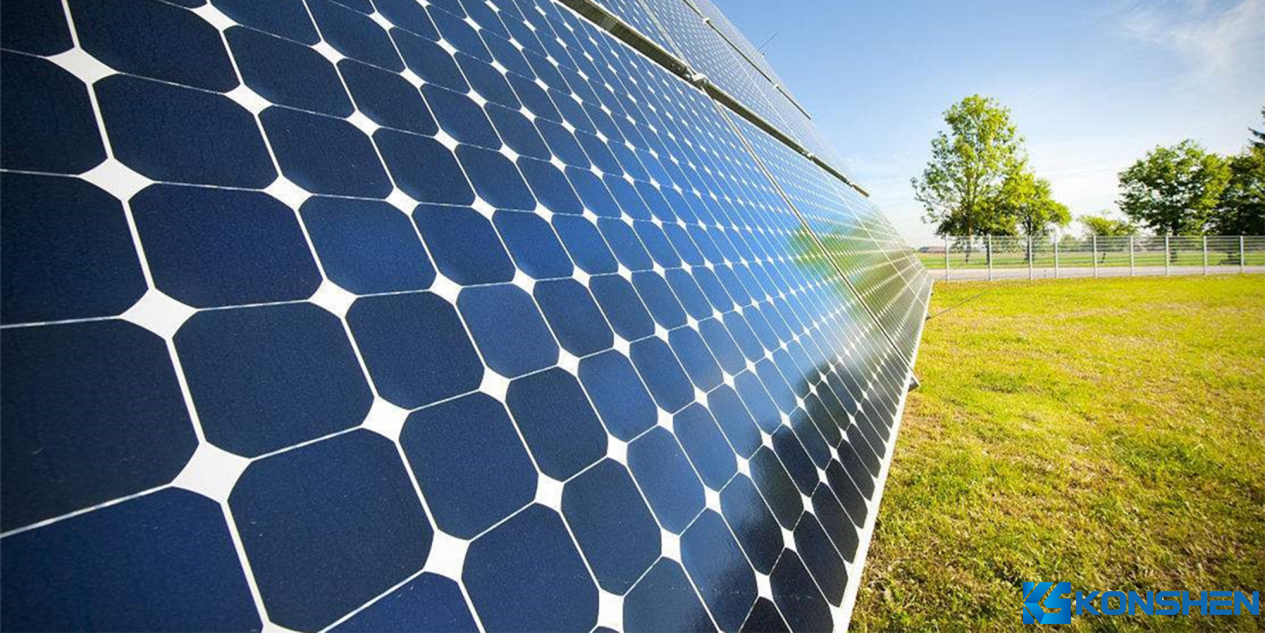
As a core supporting material in the photovoltaic industry, ultra-thin glass solves the application pain points of traditional glass and plastic substrates with its excellent light transmittance, mechanical strength and thermal stability, and is the key to the transformation of the photovoltaic industry towards flexibility and lightweight design. Focusing on the characteristic optimization and preparation technology upgrading of the glass itself, and solving the problems of low yield rate, high cost and easy edge breakage, will promote the large-scale application of ultra-thin glass, further release the development potential of the photovoltaic industry, and provide material support for the global energy transition.
Ready to take your glass project to the next level? Contact us today to discuss your custom glass needs and get a quote!
contact us