
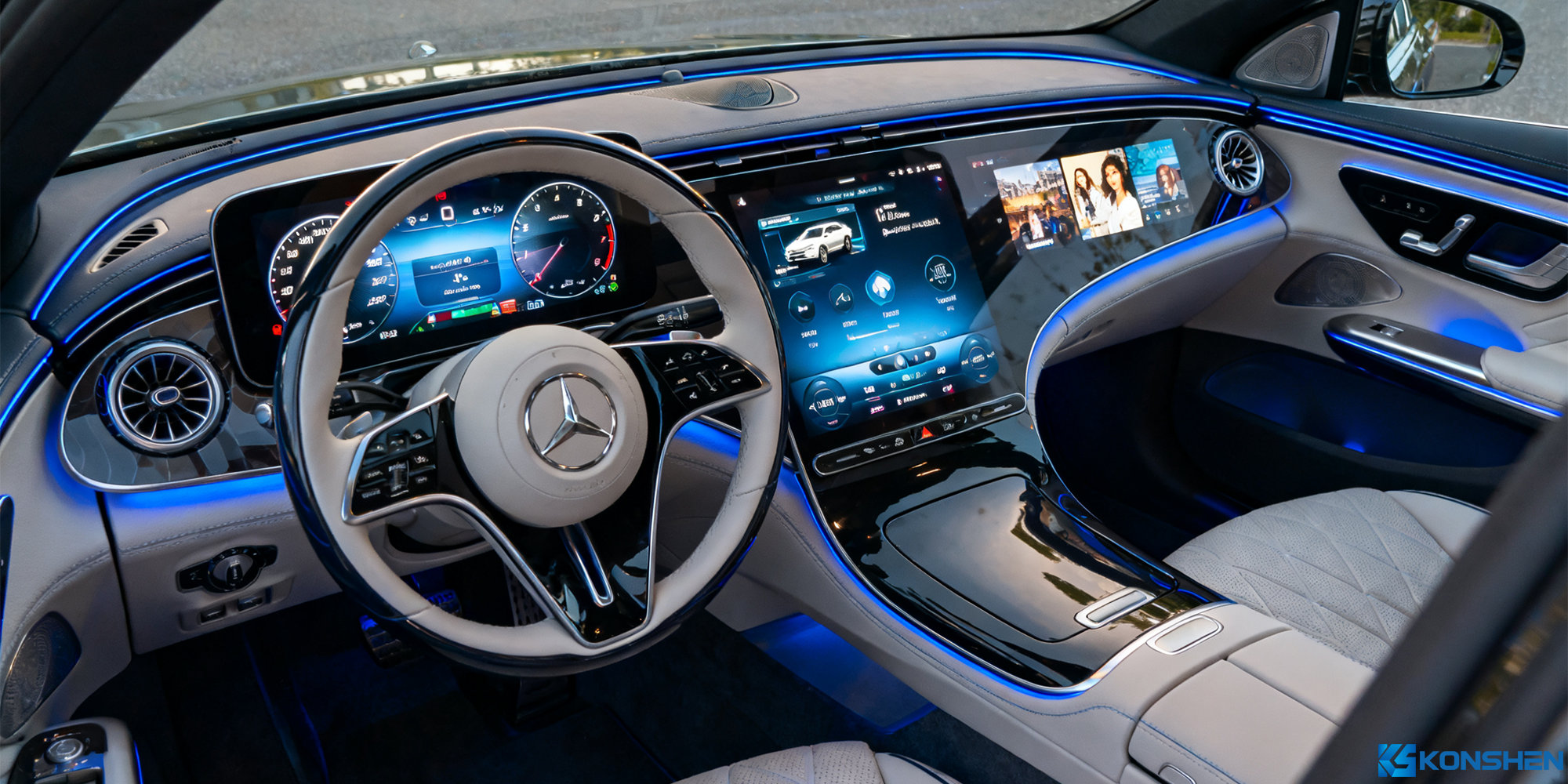
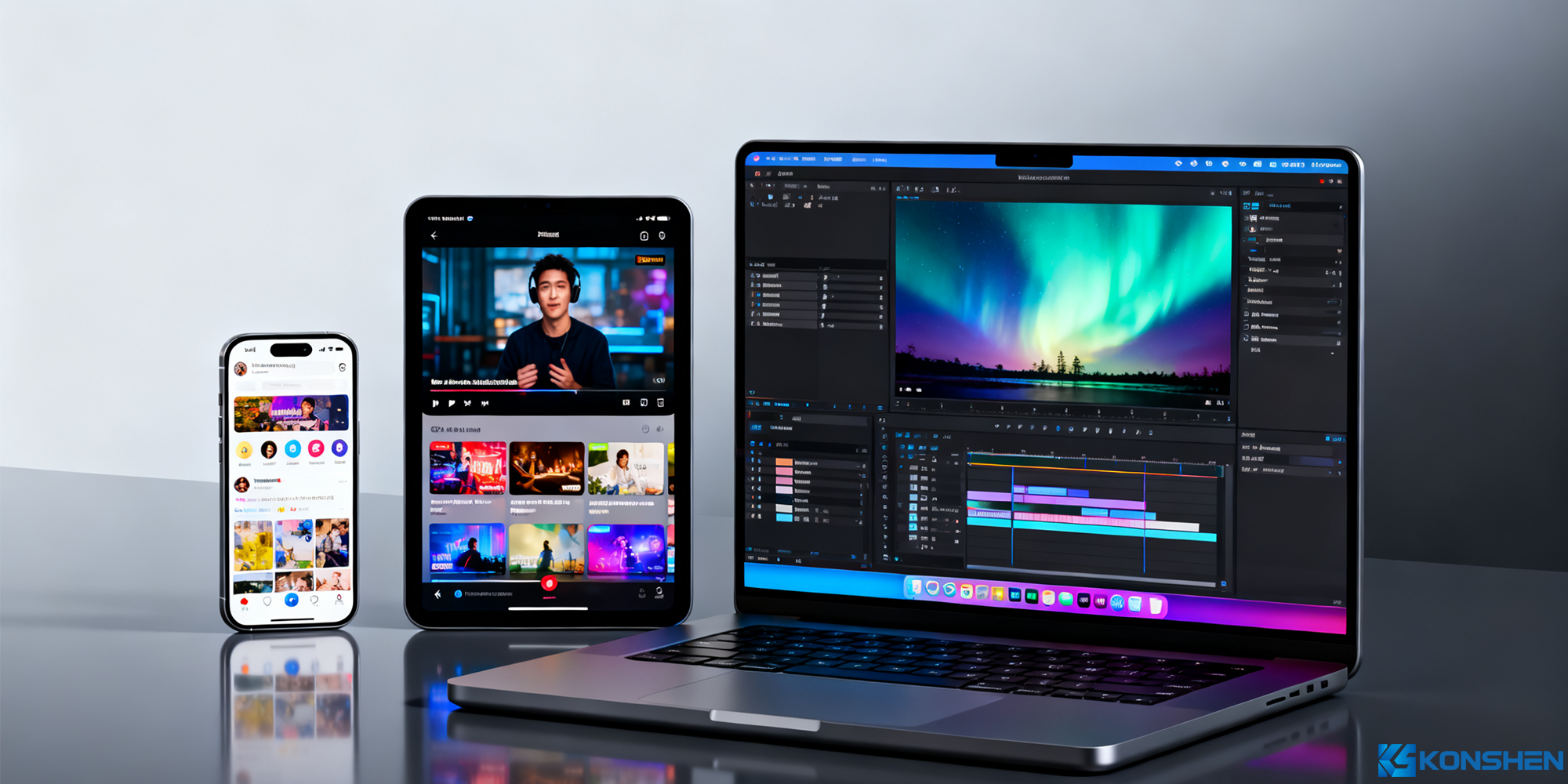
The transparent, shatter-resistant display cover glass we touch daily on smartphones and in-vehicle central control screens relies on two key forming technologies. From Corning Gorilla Glass enabling the commercialization of the first iPhone in 2007 to today’s mass production of ultra-thin flexible glass (UTG) for foldable screens, the evolution of cover glass is essentially a competition between the "Float Process" and "Overflow Fusion Process" in terms of "efficiency" and "quality." Differences between these two processes—from raw material melting to forming—directly determine whether a screen is "shatter-resistant, clear, and affordable."
Both processes emerged to address shortcomings of previous technologies, ultimately forming differentiated paths for "affordable mass production" and "high-end premium products."
Before 1960, achieving smooth surfaces for flat glass required mechanical polishing—not only costing about 3 times more per square meter than today but also easily causing scratches. The breakthrough by the UK’s Pilkington Group centered on the principle of density difference:The density of molten tin (7.3g/cm³) is much higher than that of molten glass (2.5g/cm³). Just as oil floats on water, molten glass poured onto molten tin spreads naturally, forming a flat surface without polishing.
In 1971, Luoyang Glass Factory produced China’s first sheet of float glass, driving the industrialization of flat glass. Today, the float process accounts for 90% of global flat glass production capacity and serves as a "breakthrough tool" for domestic manufacturers—it enables lower-cost production of high-alumina glass, perfectly matching the needs of mid-to-low-end devices.
In the 1970s, Corning discovered that when the lower surface of float glass contacts molten tin, high temperatures cause "tin contamination" (e.g., tin ion penetration forming foggy spots), which fails to meet the "zero-impurity" requirement for display screens. Thus, the "contact-free forming" overflow fusion process was born:Molten glass overflows down a V-shaped trough, never touching any solid surface throughout the process, eliminating contamination at the source.
This process perfectly meets the strict requirements of high-end screens for "surface quality" and "shatter resistance," becoming a core technology for premium products like Corning Gorilla Glass and Huawei Kunlun Glass.
The core performance of glass is shaped during the raw material melting stage.
The two processes differ significantly in raw material formulas and purity requirements.
| Comparison Dimension | Float Process | Overflow Fusion Process |
| Core Raw Materials | High-alumina glass (Al₂O₃: 10%-20%) | High-alumina silicate glass (Al₂O₃ ≥20%) |
| Raw Material Purity | Regular (trace impurities allowed) | Ultra-high (impurity-free high-purity quartz sand) |
| Melting Temperature | ~1600°C | >1500°C (high-precision temperature control) |
| Homogenization Time | Regular (no obvious bubbles) | Longer (no bubbles/stone defects) |
| Production Capacity & Energy | Hundreds of tons/day, low energy | Tens of tons/day, 40% higher energy |
Domestic Case: CSG Holding Co., Ltd.’s "King Panda" glass optimizes the float process raw material formula, achieving flexural performance close to mainstream international standards.
High-End Case: When producing overflow glass, Corning uses 99.99% pure quartz sand to ensure light transmittance ≥92%.
If melting is "material preparation," forming is "shaping." The biggest differences between the two processes lie in how glass is "flattened and thinned."
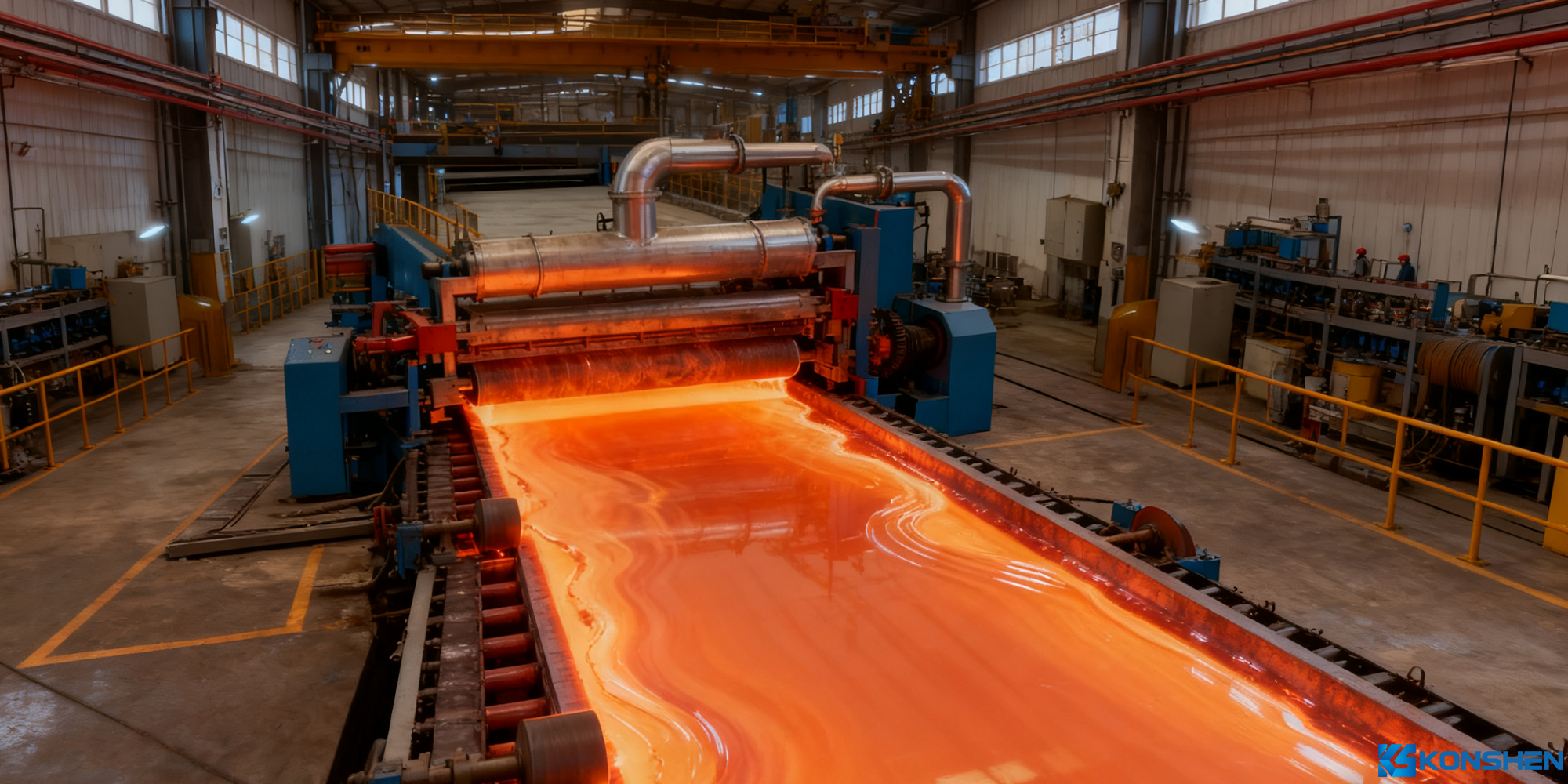
Float forming relies on a 60–100m-long "tin bath" (filled with nitrogen + hydrogen to prevent molten tin oxidation), following a process similar to "spreading a pancake":
Molten glass flows into the tin bath from a channel and spreads naturally due to its lower density.
Surface tension shrinks the glass into the "minimum surface area" (for better flatness), while gravity pushes it to spread horizontally; the balance between the two forms a uniform glass ribbon.
Edge rollers gently press the glass edges to precisely control width and thickness. After cooling to 600°C (acquiring basic hardness), the ribbon is pulled out of the tin bath.
Advantages: High production capacity (single-line capacity is 3–5 times that of the overflow process), low cost (equipment investment is only 1/3 of the overflow process). Domestic float glass is over 50% cheaper than imported overflow glass.
Disadvantages: The lower surface’s contact with molten tin easily causes "tin defects" (foggy spots, tin beads), requiring post-polishing to eliminate; high-alumina glass has high surface tension, limiting the minimum conventional thickness to approximately 0.4mm—unable to meet the <50μm requirement (about half the thickness of ordinary paper) for foldable screens.
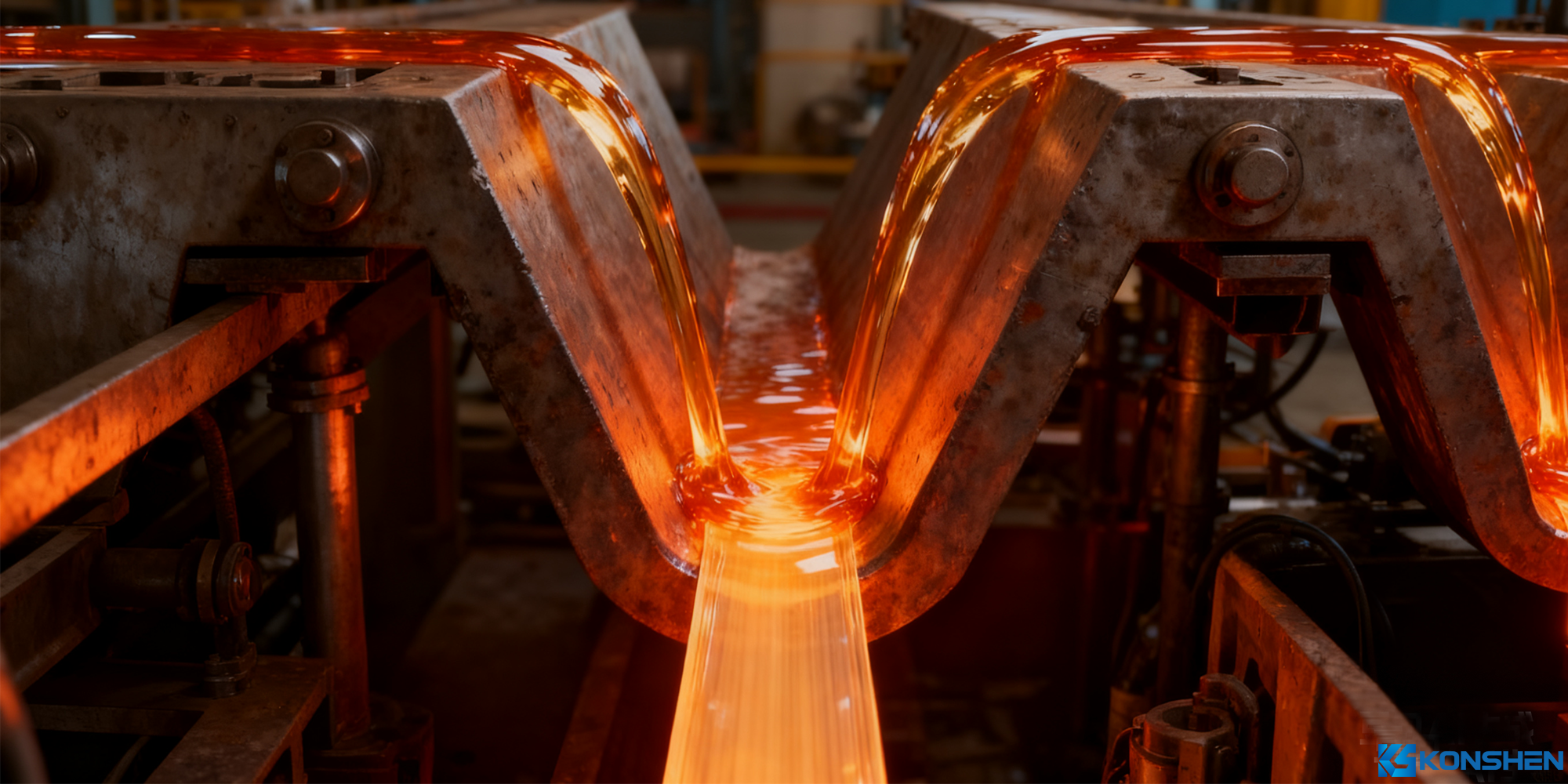
The overflow forming process resembles a "glass waterfall," with the glass remaining suspended and non-contact with solids throughout. Corning’s official website describes it as a "precise liquid dance":
Homogenized molten glass is injected into a heat-insulated V-shaped trough, where the temperature is controlled at 1200°C (to maintain the glass in a "thick honey-like" viscosity).
The molten glass overflows the trough’s edge, forming two symmetrical "glass streams" that flow down the trough walls.
At the sharp bottom of the V-shaped trough, the two streams merge precisely into a single glass ribbon. Equipment below pulls the ribbon to thin it—the faster the pulling speed, the thinner the glass (minimum thickness: 15μm, thinner than a human hair).
Formed glass is like "freshly forged steel"—it requires annealing to eliminate internal stress and chemical strengthening to enhance shatter resistance. The post-processing logic of the two processes differs due to their "inherent quality" gaps.
Annealing: Uses an annealing lehr over 100m long, cooling from 600°C at a rate of ≤50°C per hour to prevent cracking from internal stress.
Polishing: Double-sided polishing is mandatory to remove tin defects—this step reduces glass thickness by 5%–10% and adds extra costs.
Strengthening: Immersed in 400°C molten potassium nitrate for ion exchange (potassium ions replace sodium ions to form a "protective layer"), with a typical stress layer depth of ≤100μm.
Annealing: Prioritizes "stress uniformity"; no additional polishing is needed (no surface contamination from contact-free forming), allowing direct entry into the strengthening stage.
Strengthening: Higher ion exchange efficiency—for example, Corning Gorilla Glass 7i has a stress layer depth of 140–150μm, offering stronger shatter resistance.
Flexibility Adaptation: For foldable screen UTG, laser cutting can create a "variable-thickness structure"—the bending area is only 30μm thick (ensuring flexibility), while non-bending areas are ≥50μm thick (enhancing durability), balancing "bendability" and "shatter resistance."
Process differences ultimately translate to distinct "screen experiences" and determine their application scenarios. The core logic can be summarized as: "Choose overflow for high-end, float for affordability."
| Performance Indicator | Float Process | Overflow Fusion Process |
| Surface Flatness | Approximately 0.5μm/mm | 0.1μm/mm (5x better than float process) |
| Light Transmittance | 89%-91% | ≥92% (clearer display, as in iPad Pro) |
| Shatter Resistance (1.5m drop onto concrete) |
Pass rate: ~60% | Pass rate: ≥90% (tested on iPhone 15 Pro) |
| Minimum Thickness | Typically ~0.4mm | 15μm (enables foldable screen UTG production for Samsung Z Fold5) |
| Mass Production Cost | Low (1/2–2/3 of overflow process) | High |
Overflow Fusion Process: Dominates the high-end market. Flagship smartphones (iPhone 12 and later, Huawei Mate series with Kunlun Glass) and high-end in-vehicle screens (Mercedes-Benz EQS triple screen, Audi Q4 e-tron) all use overflow glass. Corning Gorilla Glass, leveraging this process, holds over 70% of the global in-vehicle cover glass market share.
Float Process: Leads the mid-to-low-end market. Mid-range smartphones, affordable smart wearables (e.g., entry-level fitness tracker screens), and ordinary home appliance panels prefer float glass. Domestic manufacturers like CSG Holding and Caihong Group use float-processed high-alumina glass to capture nearly 30% of the global market share with cost-effectiveness.
Both processes are making breakthroughs in foldable screens: the overflow process has achieved mass production of 15μm-level UTG; the improved float process can also produce 50μm-level flexible glass, forming a complementary pattern of "high-end overflow, mid-range float."
The global cover glass market currently follows the pattern: "high-end overflow dominated by Corning, mid-to-low-end float led by China." In 2024, Corning held a 35% market share, while domestic manufacturers Xuhong Photoelectric and Caihong Group together accounted for 25%. Future trends focus on two directions:
Domestic manufacturers: Through improvements like "float process + deep polishing + strengthening," tin defects are eliminated, allowing float glass to reach "quasi-high-end" levels.
Corning: Introduced continuous production technology into the overflow process, increasing capacity by approximately 30% to reduce costs.
10μm-level UTG (about 1/8 the thickness of ordinary A4 paper, which is ~80μm) has become a new target, with both processes under development. Future foldable screens may be thinner, more shatter-resistant, and even achieve "paper-like bending."
The float and overflow processes essentially balance "efficiency" and "quality": the float process lets us access clear screens at affordable prices, while the overflow process delivers "shatter-resistant experiences" for flagship devices. As domestic manufacturers make breakthroughs in the overflow process (e.g., Caihong Group has achieved mass production via overflow) and the float process continues to advance, we may soon enjoy "thin, shatter-resistant" screens at lower costs.
When you touch your smartphone or in-vehicle screen, take a moment to reflect: behind this glass lies either the "natural spreading" process on molten tin or the "precise overflow" process in a V-shaped trough—it is these invisible technical details that shape our daily screen experience.
Ready to take your glass project to the next level? Contact us today to discuss your custom glass needs and get a quote!
contact us